
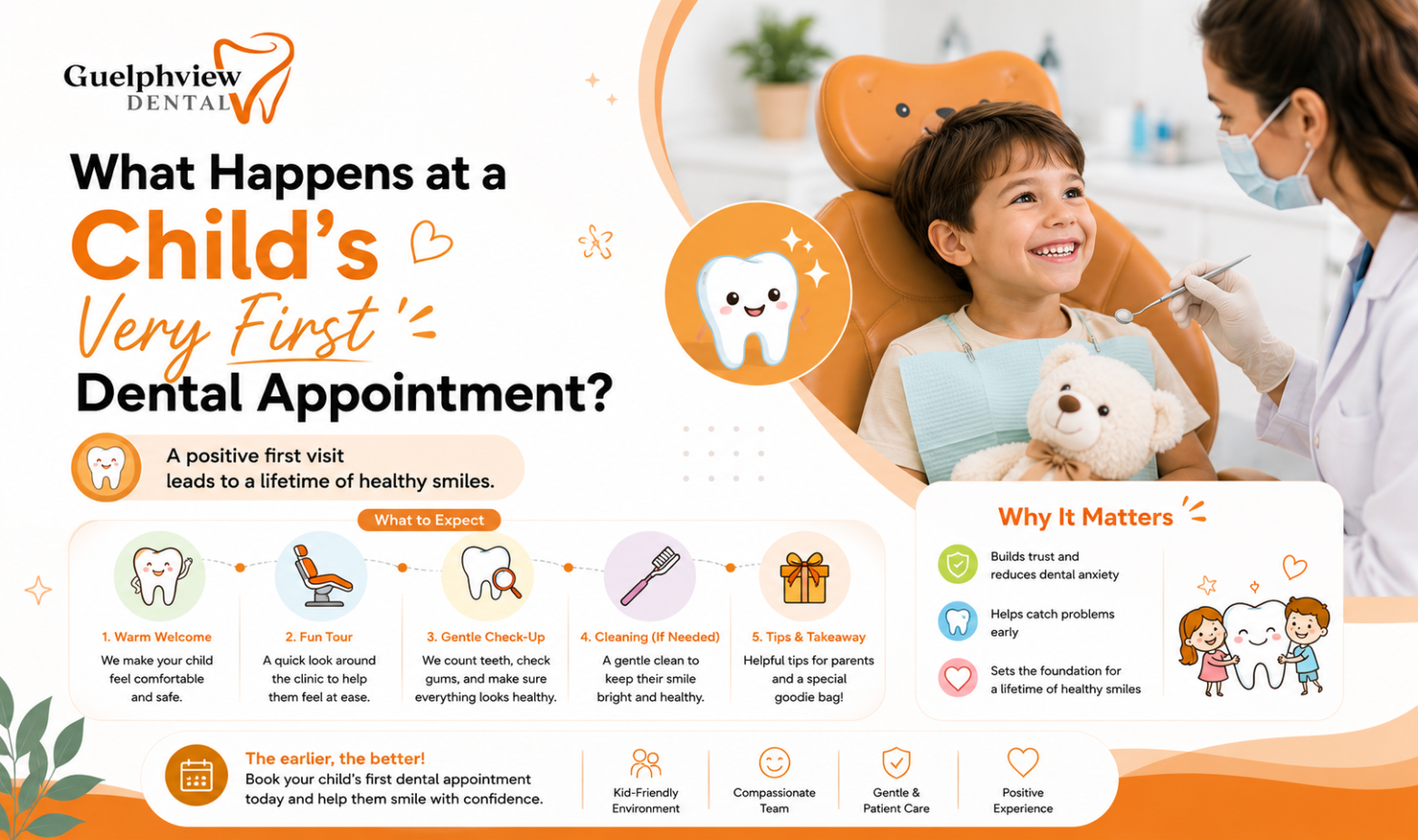
What Happens at a Child’s Very First Dental Appointment?
Taking your child to the dentist for the first time is an important milestone. Many parents wonder what will happen during the appointment, how their child will react, and whether there is anything they should do to prepare.
The good news is that a first dental visit is usually simple, gentle, and focused on helping children feel comfortable. A positive experience with a children’s dentist can build confidence, reduce dental anxiety, and encourage healthy habits that support lifelong oral health.
Whether your child has recently developed their first tooth or is approaching their first birthday, understanding what to expect can help make the experience smooth and stress-free for both parents and children.
Quick Answer: What Happens at a Child’s First Dental Appointment?
A child’s first dental appointment typically includes a gentle oral examination, an assessment of tooth development, a discussion about oral hygiene habits, and personalized guidance for parents. In some cases, a light cleaning or fluoride treatment may also be provided. Most importantly, the visit helps children become familiar with the dental environment in a positive and supportive way.
Why Early Visits to a Children’s Dentist Matter
Many parents believe dental visits should begin only after all baby teeth have erupted. However, dental professionals recommend scheduling a child’s first appointment by age one or within six months of the first tooth appearing.
According to the Canadian Dental Association, early dental visits help identify potential concerns before they become larger problems and establish a foundation for preventive care.
Baby teeth may be temporary, but they play a critical role in:
- Proper speech development
- Chewing and nutrition
- Jaw growth
- Guiding permanent teeth into position
- Building healthy oral habits
Regular visits to a kids dentist — as part of our family dentistry services at Guelphview Dental — can help protect these important functions while supporting healthy development.
How Parents Can Prepare for the First Visit
Preparation often plays a major role in how children respond to dental appointments.
To help create a positive experience:
- Talk about the dentist in an upbeat way
- Read children’s books about dental visits
- Schedule appointments when your child is well-rested
- Bring a favorite toy or comfort item
- Avoid using words that may create fear
Children often take emotional cues from their parents. Remaining calm and positive can help them feel more secure during the appointment.
The first appointment typically begins with a warm introduction to the dental team. Many offices that offer dental services for children are designed with young patients in mind. Bright colors, friendly staff, and age-appropriate environments help create a welcoming atmosphere.
Parents may be asked to complete forms regarding:
- Medical history
- Allergies
- Current medications
- Oral habits
- Previous injuries
- Family dental history
This information helps the dental team understand your child’s overall health and customize recommendations accordingly.
What Happens When You Arrive at the Dental Office?
Meeting the Children’s Dentist
What to Expect During Your Child’s First Meeting With a Children’s Dentist
One of the primary goals of the first appointment is relationship building. A children’s dentist will usually spend time getting to know the child before beginning the examination. Young patients may be encouraged to:
- Sit in the dental chair
- Meet staff members
- Explore the environment
- Learn about simple dental tools
This introduction helps children feel more comfortable and builds trust with the dental team. Rather than focusing on treatment, the first appointment often emphasizes creating a positive association with dental care.
The First Dental Examination
The dental examination is usually brief and gentle. For infants and toddlers, dentists often use a “knee-to-knee” examination technique, allowing the child to remain close to a parent throughout the evaluation.
During the examination, the dentist will assess:
Tooth Development
The dentist checks whether teeth are erupting normally and whether development appears age-appropriate.
Gum Health
Healthy gums provide the foundation for healthy teeth. Early evaluation can identify signs of inflammation or irritation.
Bite Alignment
Monitoring jaw and bite development helps dentists identify concerns that may require future observation.
Signs of Tooth Decay
Even very young children can develop cavities. Early detection allows for preventive intervention whenever possible.
Oral Tissues
The tongue, cheeks, palate, and other soft tissues are examined to ensure healthy development. Our team may also include an oral cancer screening as part of a comprehensive evaluation. The process is typically painless and often completed within a few minutes.
Will My Child Need Dental X-Rays?
Most children do not require X-rays during their very first visit. However, X-rays may be recommended if the dentist needs additional information regarding:
- Tooth development
- Hidden decay
- Dental trauma
- Eruption concerns
Our digital X-rays use significantly lower radiation levels than older technologies and provide valuable diagnostic information when needed.
Professional Cleaning and Preventive Care
Depending on your child’s age and oral health needs, a gentle cleaning may be performed. Our professional dental cleanings for children include:
- Removing plaque buildup
- Cleaning tooth surfaces
- Polishing teeth
- Demonstrating proper brushing techniques
These preventive services help familiarize children with routine dental care while supporting healthy oral habits.
Fluoride Treatments: Are They Necessary?
Many parents ask whether fluoride is safe and beneficial.
Research from the American Academy of Pediatric Dentistry supports fluoride as an effective tool for reducing cavity risk in children.
Fluoride helps:
- Strengthen enamel
- Protect developing teeth
- Reduce the risk of cavities
- Support long-term oral health
The application process is quick, comfortable, and commonly included in preventive dental care programs.
What If My Child Cries During the Appointment?
Many parents worry that their child may cry or become nervous. This is completely normal. Young children often react to unfamiliar environments, even when they are not experiencing discomfort. Pediatric dental teams are trained to work with children at various developmental stages and understand how to create a calm and supportive experience.
If a child becomes upset, the dental team may:
- Slow down the appointment
- Use distraction techniques
- Allow additional parent involvement
- Focus only on the examination
A successful first visit does not require perfect behavior. The goal is helping children become comfortable with dental care over time.
Oral Health Education for Parents
An important part of the appointment involves educating parents about effective children’s dental care practices. Topics commonly discussed include:
Brushing Recommendations
Parents receive guidance regarding:
- Toothbrush selection
- Age-appropriate toothpaste amounts
- Brushing frequency
- Proper brushing techniques
Nutrition and Oral Health
Diet has a significant impact on cavity prevention. Dentists often discuss:
- Limiting sugary drinks
- Choosing healthy snacks
- Managing juice consumption
- Avoiding bedtime bottles containing sugary liquids
Thumb Sucking and Pacifier Use
These habits are common during early childhood. Dentists can explain when intervention may be necessary and how prolonged habits may affect oral development.
Teething Support
Parents of infants frequently have questions about teething discomfort and safe management strategies.
Common Questions Parents Ask During the First Appointment
Parents often use the first visit as an opportunity to gain personalized advice. Common questions include:
- Is my child’s oral development normal?
- When should flossing begin?
- Are baby teeth developing properly?
- Is thumb sucking affecting tooth alignment?
- What foods increase cavity risk?
- How often should we schedule dental visits?
A kids dentist can provide recommendations tailored to your child’s specific needs and developmental stage.
Building a Lifetime of Healthy Dental Habits
The first appointment is about much more than checking teeth. It is an opportunity to establish healthy routines that can benefit children throughout their lives.
Research from the Centers for Disease Control and Prevention continues to emphasize the importance of preventive oral care and regular dental visits in reducing childhood cavities.
When children have positive early experiences, they are more likely to:
- Attend regular checkups
- Practice good oral hygiene
- Feel comfortable visiting the dentist
- Maintain healthier smiles as they grow
Internal Preventive Care Services Parents May Consider
- Routine dental exams
- Professional dental cleanings
- Fluoride treatments
- Dental sealants
- Cavity prevention programs
Frequently Asked Questions
Q1. At what age should my child first visit a children’s dentist?
Most dental professionals recommend scheduling the first appointment by age one or within six months after the first tooth appears.
Q2. How long does a child’s first dental appointment take?
Most first appointments last between 30 and 60 minutes, depending on the child’s age, comfort level, and oral health needs.
Q3. Will my child receive a dental cleaning during the first visit?
Many children receive a gentle cleaning, although treatment recommendations vary based on age and oral health status.
Q4. Are cavities common in baby teeth?
Yes. Baby teeth are susceptible to decay, which is why early preventive care and regular dental visits are important.
Q5. How often should children visit the dentist?
Most children benefit from dental checkups every six months, although some may require more frequent visits based on individual risk factors.
About the Author
This article was prepared by a dental health content specialist dedicated to creating evidence-based educational resources for families seeking reliable information about children’s oral health. Content is developed using current preventive dentistry guidelines, pediatric oral health recommendations, and patient-focused educational standards to ensure accuracy, trustworthiness, and practical value for parents navigating their child’s dental care journey.
Final Thoughts
A child’s first visit to a children’s dentist is designed to be educational, comfortable, and reassuring. Rather than focusing on treatment, the appointment helps establish trust, evaluate oral development, and provide parents with valuable guidance about maintaining healthy teeth and gums.
By scheduling early dental visits and following professional recommendations, parents can give their children a strong foundation for lifelong oral health. Regular checkups, preventive care, and consistent home hygiene practices all contribute to healthier smiles and more positive dental experiences throughout childhood.
Ready to schedule your child’s first appointment? Book an appointment online today and let our team make your child’s first dental experience a positive one.