
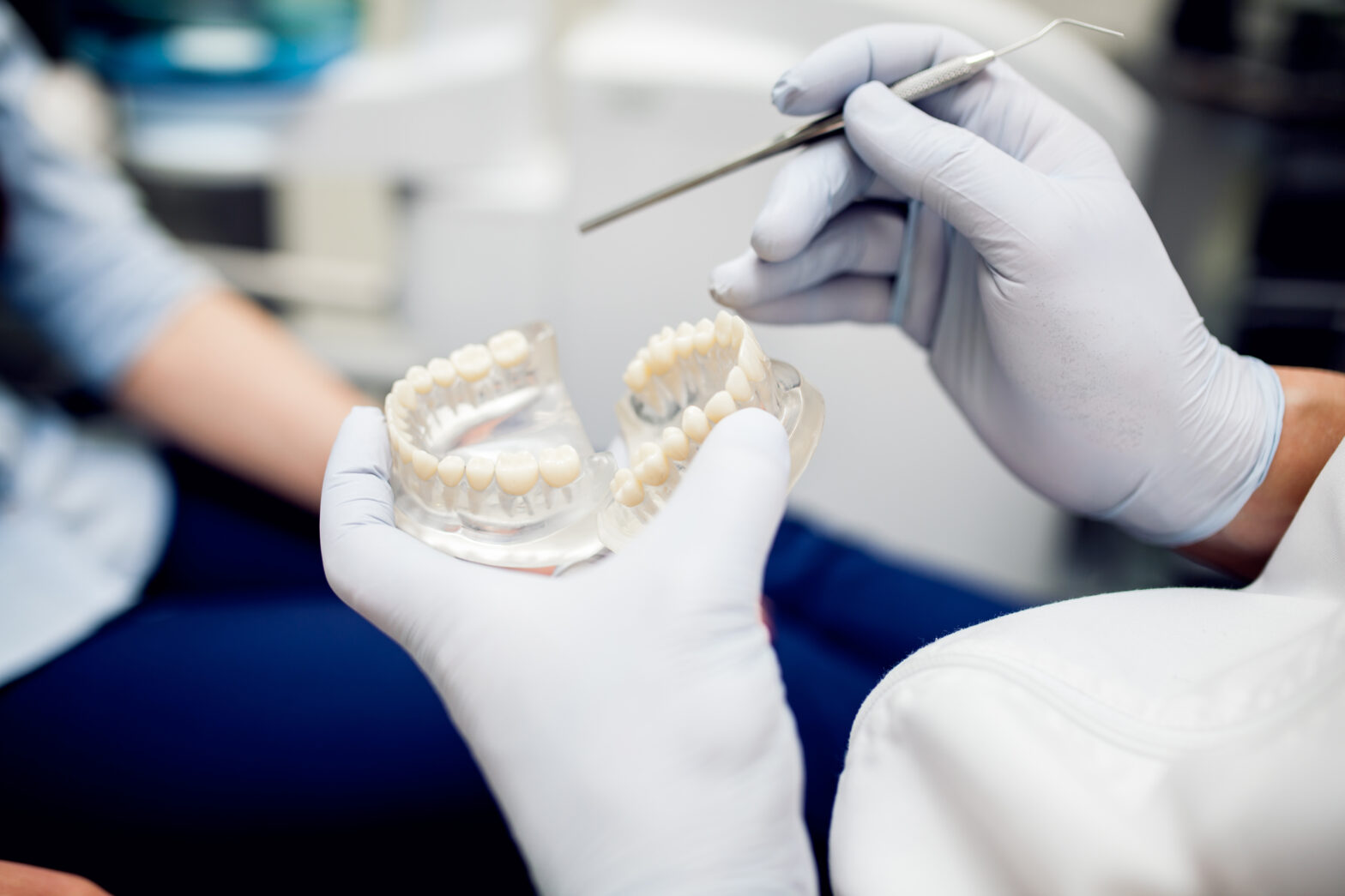
Dental Crown vs Filling – Which Is Better for Your Tooth?
What Is a Dental Filling?
A dental filling is used to repair small to moderate cavities. During the procedure:
- Decayed material is removed
- The area is cleaned
- A filling material restores the tooth shape
Fillings are typically recommended when the remaining tooth structure is strong enough to support normal chewing forces. They are ideal for minor decay that has not compromised the overall stability of the tooth
When Is a Filling Enough?
A filling may be suitable when:
- The cavity is small
- The tooth is not cracked
- There is no large existing restoration
- The tooth structure remains mostly intact
In these cases, preserving natural tooth material is the priority.
What Is a Dental Crown?
A dental crown covers the entire visible portion of a tooth. It is designed to restore strength, shape, and function when a tooth is significantly weakened.
Dental crown treatment Georgetown patients choose is often recommended after:
- Large cavities
- Root canal therapy
- Cracked teeth
- Severe wear
- Failed large fillings
A crown acts like a protective cap, reinforcing the tooth and distributing bite pressure evenly.
Key Differences Between a Crown and a Filling
Coverage
A filling repairs only the damaged portion of the tooth. A crown covers the entire surface above the gumline.
Strength
Crowns provide greater structural reinforcement, especially for molars that endure heavy chewing forces.
Longevity
While both options are durable, crowns typically offer longer-lasting protection when significant tooth structure has been lost.
Protection Against Fracture
Teeth with large fillings are more prone to cracking over time. Dental crown treatment Georgetown patients receive helps prevent fractures in structurally compromised teeth.
When a Dental Crown Is the Better Choice
In many moderate to severe cases, a crown provides more predictable long-term stability.
Large Cavities
If decay removes a substantial portion of the tooth, a filling may not provide enough support.
Cracked or Fractured Teeth
Cracks can worsen under pressure. Custom tooth crowns Georgetown providers design help hold the tooth together.
After Root Canal Treatment
Teeth treated with root canals become more brittle. A crown restores protection and function.
Replacing Old Fillings
Large, worn fillings can weaken tooth walls. Porcelain dental crowns Georgetown patients consider often replace aging restorations for added durability.
When a Filling May Be Sufficient
Not every damaged tooth requires a crown. A filling may be appropriate if:
- Decay is detected early
- The tooth walls remain strong
- There is minimal structural compromise
Early intervention plays a major role in determining which treatment is necessary. Routine dental visits allow cavities to be addressed before they expand.
Types of Dental Crowns
Modern dentistry offers several crown materials designed for durability and natural appearance.
Porcelain Crowns
Porcelain dental crowns Georgetown patients select are popular for their natural tooth-like appearance and strength.
Custom-Fitted Crowns
Custom tooth crowns Georgetown clinics provide are designed using precise digital imaging to ensure accurate fit and bite alignment.
Long-Term Protective Crowns
For patients seeking affordable dental crowns Georgetown providers may recommend materials that balance durability with aesthetics while maintaining structural support.
Each crown is tailored to the patient’s oral condition and functional needs.
Which Option Lasts Longer?Appointment
Longevity depends on oral hygiene, bite habits, and maintenance. In general:
- Small fillings can last many years with proper care.
- Large fillings may weaken over time.
- Crowns often provide extended protection when damage is significant.
Dental crown treatment Georgetown patients receive is often chosen when durability and structural integrity are top priorities.
Preserving Natural Tooth Structure
One key principle in dentistry is conserving as much natural tooth structure as possible. If a filling can adequately restore the tooth, that may be the preferred option.
However, if the tooth risks cracking or breaking, a crown may prevent more complex treatment in the future. A thorough examination is necessary to determine which solution supports long-term stability
The Importance of a Professional Evaluation
Self-diagnosing whether you need a filling or crown can lead to misunderstandings. Only a clinical exam and diagnostic imaging can determine:
- Depth of decay
- Remaining tooth structure
- Bite stress distribution
- Presence of cracks
Guelphview Dental provides comprehensive assessments to recommend the most suitable option based on your individual case.
Preventing Future Damage
Regardless of whether you receive a filling or dental crown treatment Georgetown residents rely on, prevention remains essential. Maintaining:
- Proper brushing and flossing
- Regular professional cleanings
- Timely checkups
reduces the likelihood of extensive restorations in the future.
Making the Right Choice for Your Tooth
There is no universal answer to whether a crown or filling is better. The best choice depends entirely on the condition of your tooth.
If the damage is minor, a filling may restore function effectively. If the tooth is weakened, cracked, or heavily restored, a crown may provide stronger long-term protection.
Choosing the appropriate treatment early can prevent complications and preserve your natural smile.
Frequently Asked Questions
Q1. Is a dental crown stronger than a filling?
Yes. A crown covers the entire tooth and provides greater structural support, especially for teeth that are cracked or heavily restored.
Q2. Can a large filling be replaced with a crown?
Yes. When a filling becomes worn or compromises tooth strength, dental crown treatment Georgetown patients consider may offer improved durability.
Q3. Are porcelain dental crowns Georgetown patients choose durable?
Porcelain crowns are designed for strength and natural appearance. With proper care, they provide long-lasting function.
Q4. Do custom tooth crowns Georgetown clinics provide look natural?
Yes. Custom crowns are color-matched and shaped to blend with surrounding teeth.
Q5. How do I know if I need dental crown treatment Georgetown services?
A professional examination determines whether your tooth requires full coverage protection or if a filling is sufficient.
Final Thoughts
Choosing between a filling and a crown depends on how much of your natural tooth structure remains and how well it can handle daily chewing pressure. While fillings are effective for small areas of decay, more extensive damage often requires stronger reinforcement. In those cases, dental crown treatment Georgetown patients consider can provide added stability and long-term protection.
The key is early evaluation. Addressing tooth damage promptly increases the likelihood of preserving your natural tooth and avoiding more complex procedures later. A professional assessment ensures the right treatment is selected based on your specific condition, not just symptoms.
If you are experiencing discomfort or have been advised to restore a damaged tooth, scheduling a consultation is the next step. Guelphview Dental offers personalized care plans designed to support lasting oral health and functional strength.