
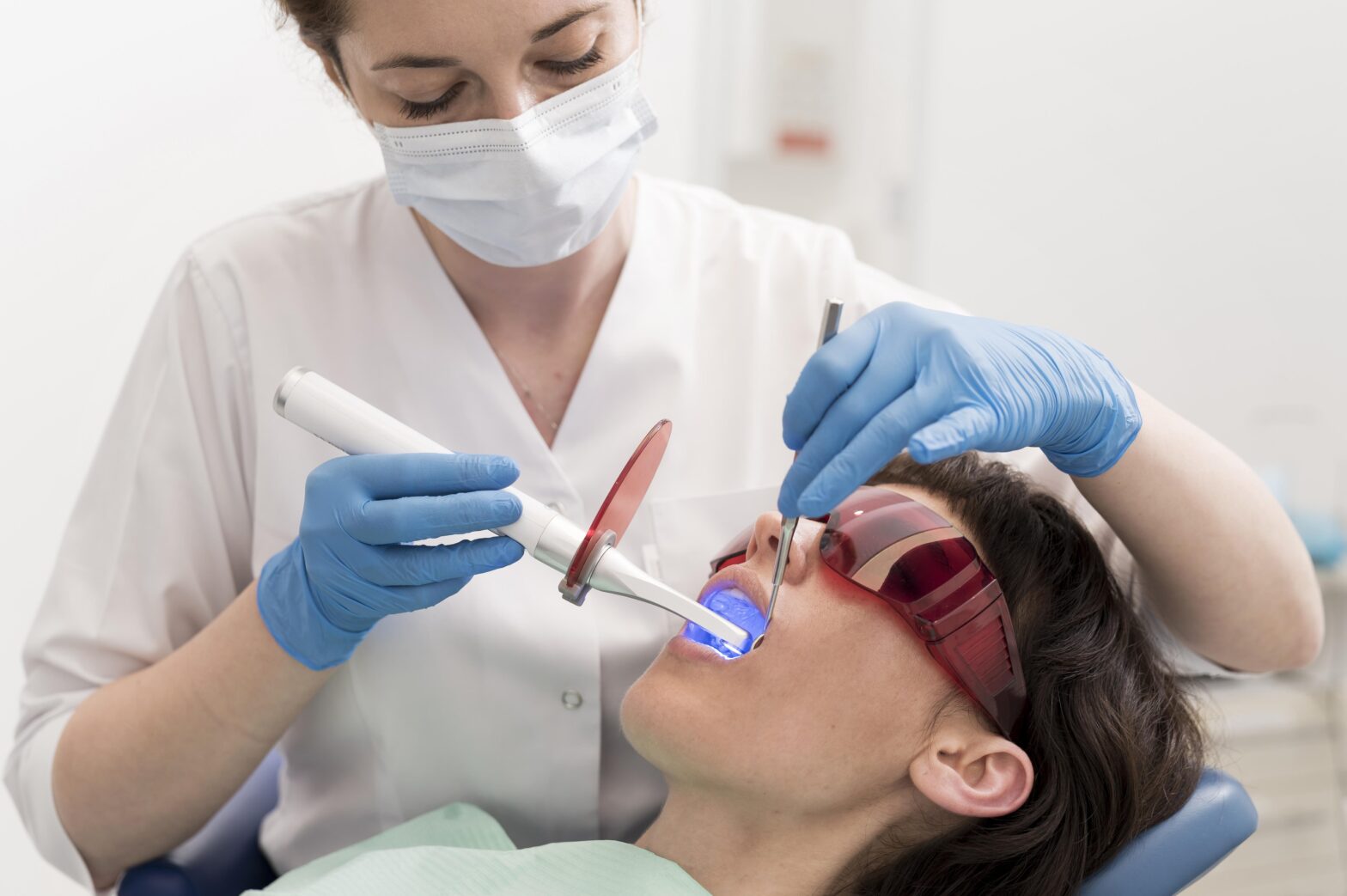
Does Dental Cleaning Hurt? What Patients in Georgetown Really Experience
At Guelphview Dental, we often hear patients ask whether cleanings are uncomfortable, what plaque and tartar removal feels like, and whether soreness after the appointment is normal. This guide explains what patients in Georgetown can realistically expect during a dental hygiene cleaning, why some cleanings feel more sensitive than others, and how regular visits can make the process easier over time.
What Is a Dental Cleaning?
A dental cleaning is a preventive dental treatment that removes plaque, tartar, and surface stains from your teeth. It is usually performed by a dental hygienist or dentist and is an important part of maintaining healthy teeth and gums.
Even with daily brushing and flossing, plaque can still build up in hard-to-reach areas. When plaque is not removed, it hardens into tartar, which cannot be cleaned away at home. This is why professional plaque and tartar removal is essential. According to the Canadian Dental Association (CDA), consistent home oral care combined with professional dental visits is the most effective way to minimize the risk of decay and gum disease.
A typical cleaning appointment may include:
- A quick exam of the teeth and gums
- Removal of plaque and tartar around the teeth and gumline
- Tooth polishing
- Flossing between the teeth
- A fluoride treatment in some cases
For most patients, a routine dental cleaning is one of the simplest and most effective ways to protect long-term oral health. You can learn more about our dental cleaning and prevention services in Georgetown on our dedicated service page. And if a cleaning reveals early signs of decay, treatments like dental crowns and bridges can restore your smile before the problem worsens.
Does Dental Cleaning Hurt?
For most people, the honest answer is no, dental cleaning usually does not hurt.
A standard cleaning is often described as:
- Slightly uncomfortable in some spots
- A little sensitive around the gums
- Noticeable during tartar removal
- Very manageable overall
Most patients do not feel sharp pain. Instead, they may notice:
- Gentle scraping sensations
- Light pressure on the teeth
- Cool water from the cleaning tools
- Mild gum tenderness in sensitive areas
If your teeth and gums are in good condition and you keep up with regular cleanings, the appointment is often smooth and comfortable. Many patients leave saying their teeth feel cleaner, smoother, and fresher than they expected.
Why Some Dental Cleaning Appointments Feel More Sensitive
Not every cleaning feels exactly the same. Some patients feel almost nothing, while others notice more sensitivity. This usually depends on the health of the gums and the amount of buildup on the teeth.
1. Plaque and Tartar Buildup
If it has been a long time since your last visit, you may have more hardened tartar around the gumline. In that case, plaque and tartar removal may feel more noticeable because the hygienist needs to spend more time cleaning those areas thoroughly.
The more buildup there is, the more likely you are to feel pressure or minor sensitivity.
2. Inflamed or Bleeding Gums
If your gums are swollen, tender, or bleeding easily, the cleaning may feel a little more uncomfortable. This often happens when gingivitis is present.
The important thing to know is that the cleaning is not causing the gum problem—it is helping remove the buildup that contributes to inflammation. Once your gums become healthier, future dental hygiene cleaning visits usually feel easier.
3. Sensitive Teeth
If you already have tooth sensitivity from enamel wear, gum recession, or exposed roots, certain areas may feel more sensitive during the appointment.
This is especially common when:
- Cold water touches exposed root surfaces
- Instruments clean near the gumline
- Tartar has been covering sensitive areas
4. It Has Been a Long Time Since Your Last Cleaning
If you have delayed cleanings for a year or more, your first visit back may feel more intense than a normal maintenance appointment. This is common and does not mean something is wrong. It usually gets much easier once you return to a regular schedule.
What Patients Really Experience During a Routine Dental Cleaning
Initial Exam
Before the cleaning begins, your dental hygienist or dentist will check your teeth and gums. They may look for:- Plaque buildup
- Tartar deposits
- Gum inflammation
- Recession around the teeth
- Areas of sensitivity
Plaque and Tartar Removal
Next comes the most important step: professional plaque and tartar removal. Using hand instruments or an ultrasonic scaler, the hygienist removes buildup from the tooth surfaces and around the gumline. During this stage, patients commonly feel:- Scraping or tapping sensations
- Light pressure
- Vibration from the ultrasonic tool
- Water spray and suction
Tooth Polishing
After the tartar is removed, the teeth are polished with a soft rotating brush and polishing paste. This step usually feels smooth and easy. Many patients enjoy it because it leaves the teeth feeling especially clean and fresh. If you want to take your smile further after polishing, our professional teeth whitening treatments are a great next step for removing deeper stains.Flossing and Rinsing
The hygienist may floss between your teeth and ask you to rinse. If your gums are inflamed, flossing may feel slightly tender in a few spots, but it is brief.Fluoride Treatment (If Recommended)
Some patients receive fluoride after their dental cleaning, especially if they have sensitivity or cavity risk. This step is usually painless and can help strengthen enamel.Is It Normal to Feel Sore After a Dental Cleaning?
- You had significant tartar buildup
- Your gums were inflamed
- It has been a long time since your last appointment
- You have gum recession or sensitive teeth
- Slight gum tenderness
- Mild bleeding when brushing later that day
- Temporary cold sensitivity
- A different feeling where tartar was removed
How to Make Dental Cleaning More Comfortable
Let Your Dental Team Know You’re Sensitive
At Guelphview Dental, we encourage patients to tell us if they are anxious or have sensitive teeth. You can learn more about our experienced dental team and what to expect from your care. Your dental team can:- Use a gentler approach
- Work more slowly
- Take breaks if needed
- Pay extra attention to sensitive areas
Keep Up With Regular Cleanings
The easiest way to reduce discomfort is to avoid heavy tartar buildup. Regular cleanings mean less scraping, less inflammation, and a more comfortable visit.Brush and Floss Consistently at Home
Daily brushing and flossing help prevent plaque from hardening into tartar. The Canadian Dental Association recommends brushing for 2–3 minutes twice daily and cleaning between teeth every day to support healthy gums and reduce the risk of decay. Healthier gums also mean less tenderness during a dental hygiene cleaning.Ask About Sensitivity Relief
If your teeth are sensitive, your dental team may recommend:- Desensitizing toothpaste
- Fluoride treatment
- Warm saltwater rinses
- More frequent preventive care
When It Might Be More Than a Routine Dental Cleaning
Sometimes patients expect a regular cleaning, but the dentist may recommend a deeper cleaning if there are signs of gum disease.
A standard dental cleaning removes buildup from the visible surfaces of the teeth and along the gumline. If bacteria and tartar have moved deeper below the gums, more advanced treatment may be needed. The ADA describes this procedure—known as scaling and root planing—as a deep cleaning beneficial for patients with chronic periodontitis, a condition that affects nearly half of adults over 30 in the United States.
You may need further evaluation if you have:
- Persistent bleeding gums
- Deep gum pockets
- Loose teeth
- Heavy tartar below the gumline
- Ongoing bad breath
This type of treatment can feel more involved than a standard cleaning, but it is recommended to protect your gums and prevent further damage. In more advanced cases where teeth cannot be saved, our team also provides safe tooth extractions and comprehensive full mouth reconstruction options to restore your oral health fully. To learn about the full range of treatments we offer, visit our services page.
Why Regular Dental Cleaning Matters
Skipping preventive appointments may save time in the short term, but it often leads to bigger problems later. A professional dental cleaning helps prevent issues that are usually more uncomfortable and more expensive to treat.
Regular cleanings help:
- Remove plaque before it causes decay
- Support healthier gums
- Reduce the risk of gingivitis and gum disease
- Keep your breath fresher
- Remove surface stains
- Catch early dental issues before they worsen
- Maintain a cleaner, healthier smile
For patients in Georgetown, staying consistent with routine dental cleaning visits is one of the best ways to keep future dental care easier and more comfortable.
Frequently Asked Questions
Q1. Does dental cleaning hurt if I have sensitive teeth?
A dental cleaning may feel slightly more sensitive if you already have exposed roots, gum recession, or enamel wear. However, most patients still tolerate the appointment well, and your dental team can use a gentler approach if needed.
Q2. How long does a routine dental cleaning take?
A routine dental cleaning usually takes about 30 to 60 minutes, depending on the amount of plaque and tartar buildup, whether X-rays are needed, and the condition of your gums.
Q3. Is plaque and tartar removal painful?
Plaque and tartar removal is usually not painful, but it can feel more noticeable if there is heavy buildup or gum inflammation. Most discomfort is mild and temporary.
Q4. Why do my gums bleed during a dental hygiene cleaning?
Bleeding during a dental hygiene cleaning often happens when the gums are inflamed due to plaque buildup or gingivitis. As your gums get healthier with regular care, bleeding usually improves.
Q5. How often should I get a dental cleaning?
About the Author
This article was prepared by a professional dental content team dedicated to creating clear, accurate, and patient-focused oral health education. The goal is to help readers better understand preventive dental care, common treatment experiences, and practical ways to maintain long-term oral health with confidence.