
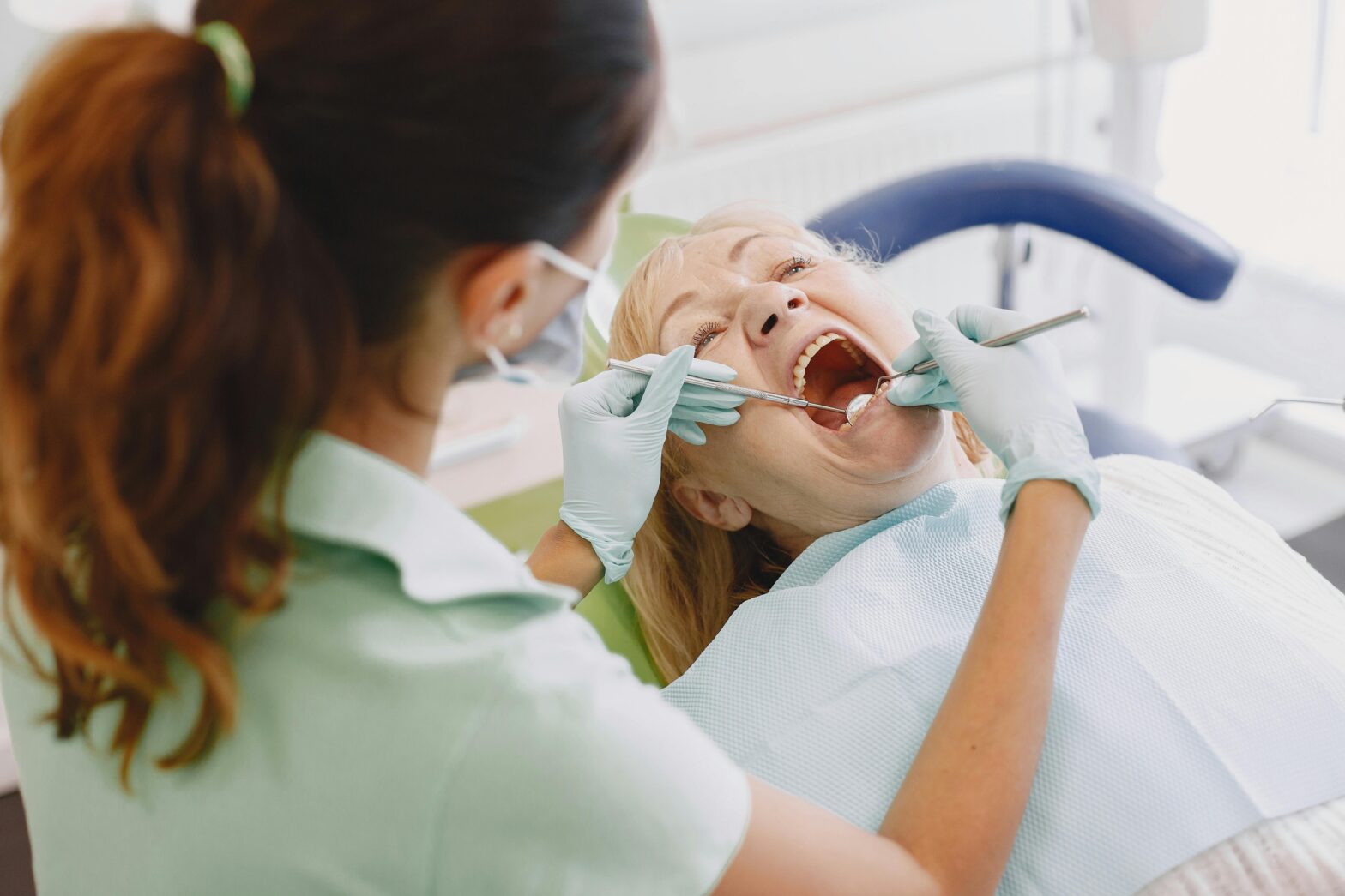
What Does Your Mouth Say About Your Overall Health? A Dentist Explains
Why Oral Health and Overall Health Are Closely Connected
- Gum inflammation
- Dry mouth
- Enamel wear
- Mouth sores
- Signs of grinding or clenching
- Changes in oral tissues
- Symptoms linked to broader health conditions
Signs Your Mouth May Be Sending About Your Health
Some oral symptoms may seem minor at first, but they can sometimes point to issues that deserve attention. A local dentist may identify these signs early during a preventive exam.
Bleeding Gums May Suggest Gum Inflammation
If your gums bleed when you brush or floss, it may be an early sign of gingivitis or gum disease. This is one of the most common reasons patients visit a dentist, and it should not be ignored.
Bleeding gums may be linked to:
- Plaque buildup
- Inconsistent brushing or flossing
- Hormonal changes
- Smoking
- Diabetes
- Inflammation in the gums
When gum disease progresses, it can affect the tissues and bone that support your teeth. Our professional teeth cleaning in Georgetown can assess the cause and recommend treatment before the condition worsens.
Persistent Bad Breath Can Mean More Than Hygiene Issues
Bad breath is not always caused by food or missed brushing. If it continues even after proper oral hygiene, it may be related to:
- Gum disease
- Tooth decay
- Dry mouth
- Oral infection
- Acid reflux
- Tonsil stones
- Certain digestive issues
A dentist can examine whether the source is dental or whether the symptoms suggest something else that should be monitored.
Dry Mouth Can Affect More Than Comfort
Saliva protects your teeth and oral tissues. It helps wash away bacteria, reduce acids, and lower cavity risk. When your mouth feels constantly dry, it may increase the chance of decay, irritation, and bad breath.
Common causes of dry mouth include:
- Prescription medications
- Dehydration
- Diabetes
- Stress
- Mouth breathing
- Salivary gland changes
- Certain autoimmune conditions
A local dentist may notice dry mouth symptoms during an exam and recommend ways to protect your enamel and gums.
Mouth Sores, White Patches, or Red Areas Need Attention
Occasional irritation can happen after biting your cheek or eating spicy foods. But if a sore, white patch, or red area does not heal, it should be checked by a dentist.
These changes may be associated with:
- Friction or irritation
- Nutritional deficiencies
- Fungal infections
- Viral conditions
- Immune-related issues
- Oral tissue changes that need further evaluation
A routine exam at a dental office often includes a soft tissue check to make sure these changes are not overlooked.
Gum Disease and Its Impact on Overall Wellness
- Gum recession
- Bone loss around teeth
- Loose teeth
- Tooth loss
- Ongoing discomfort
- Chronic oral inflammation
Diabetes and Oral Health Often Affect Each Other
- Increased gum inflammation
- Slower healing
- Dry mouth
- Higher cavity risk
- Greater risk of infection
Your Teeth Can Show Signs of Acid Reflux or Grinding
- Acid reflux
- Frequent exposure to acidic drinks
- Vomiting
- High-acid diets
- Teeth grinding
- Jaw clenching
- Stress-related habits
- Sleep-related issues
Nutritional Deficiencies Can Appear in the Mouth
- Pale gums
- A burning tongue
- Cracks at the corners of the mouth
- Frequent ulcers
- Delayed healing
- Increased sensitivity
- Tooth decay
- Existing fillings or damage
- Gum health
- Bite and jaw function
- Signs of clenching or grinding
- Dry mouth
- Soft tissue changes
- Oral cancer screening needs
- Enamel wear or erosion
How to Protect Your Oral Health and Overall Health
- Brush twice daily with fluoride toothpaste
- Floss every day
- Stay hydrated
- Limit sugary foods and acidic drinks
- Avoid smoking or tobacco products
- Wear a night guard if recommended
- Manage clenching or grinding
- Schedule regular exams and cleanings
Why Regular Dental Visits Matter
- Early cavity detection
- Gum disease prevention
- Monitoring changes in oral tissues
- Protecting enamel
- Preventing avoidable tooth damage
- Supporting long-term oral and overall health
Frequently Asked Questions
Q1. Can a dentist tell if something is wrong with my overall health?
A dentist may notice oral signs such as gum inflammation, dry mouth, enamel erosion, or unusual tissue changes that can sometimes be associated with broader health concerns. While a dental exam does not replace medical care, it can help identify symptoms that deserve further evaluation.
Q2. Can gum disease affect the rest of the body?
Q3. Why does a dental clinic check my tongue, gums, and cheeks?
A dental clinic examines soft tissues because changes in these areas may reveal signs of infection, irritation, dryness, ulcers, or abnormal tissue changes that may need attention.
Q4. Is bad breath always caused by poor brushing?
No. Persistent bad breath may also be related to gum disease, dry mouth, tooth decay, acid reflux, or other oral health concerns.
Q5. How often should I visit a local dentist?
Most patients benefit from seeing a local dentist every six months, although some people may need more frequent visits depending on their gum health, cavity risk, and overall dental history. Visit our FAQ page for answers to common questions about scheduling and insurance coverage.